Checheni
Products & Services
water & Irrigation
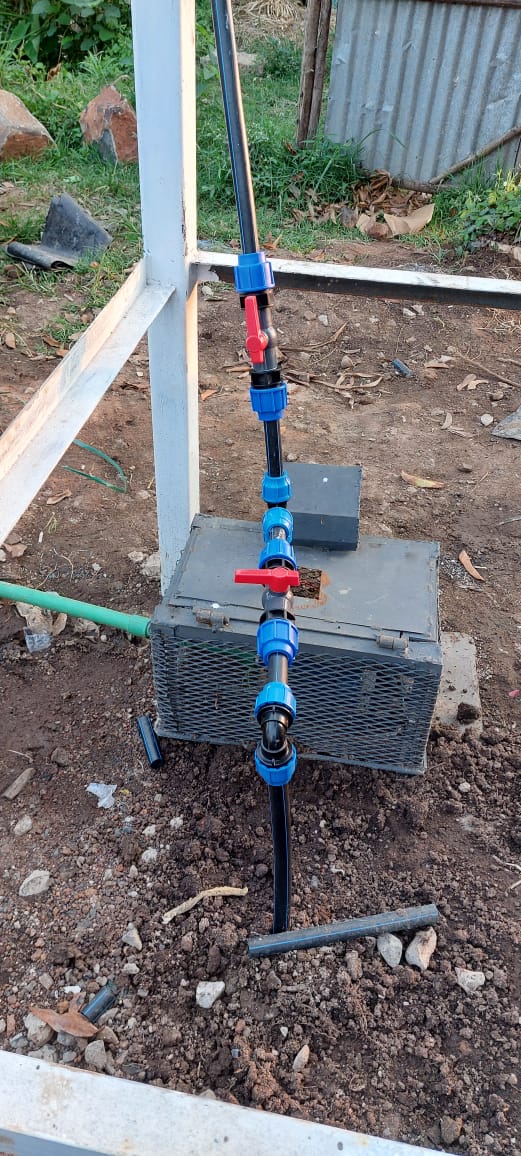
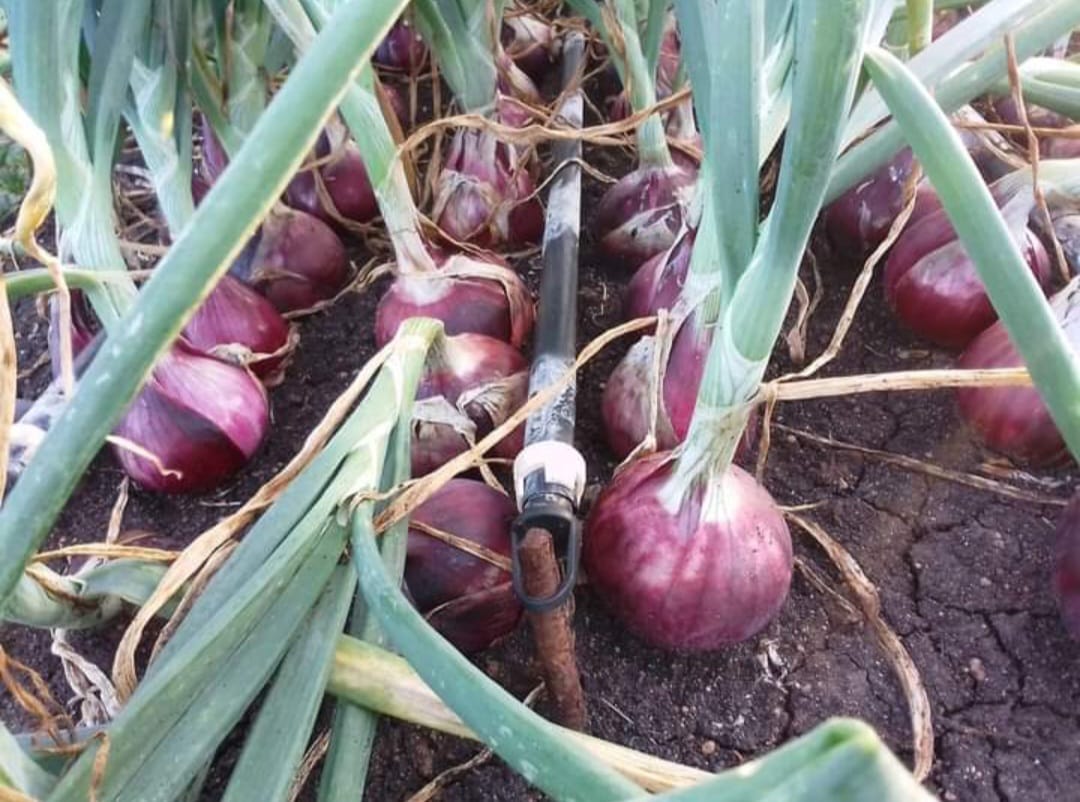
Drip Irrigation
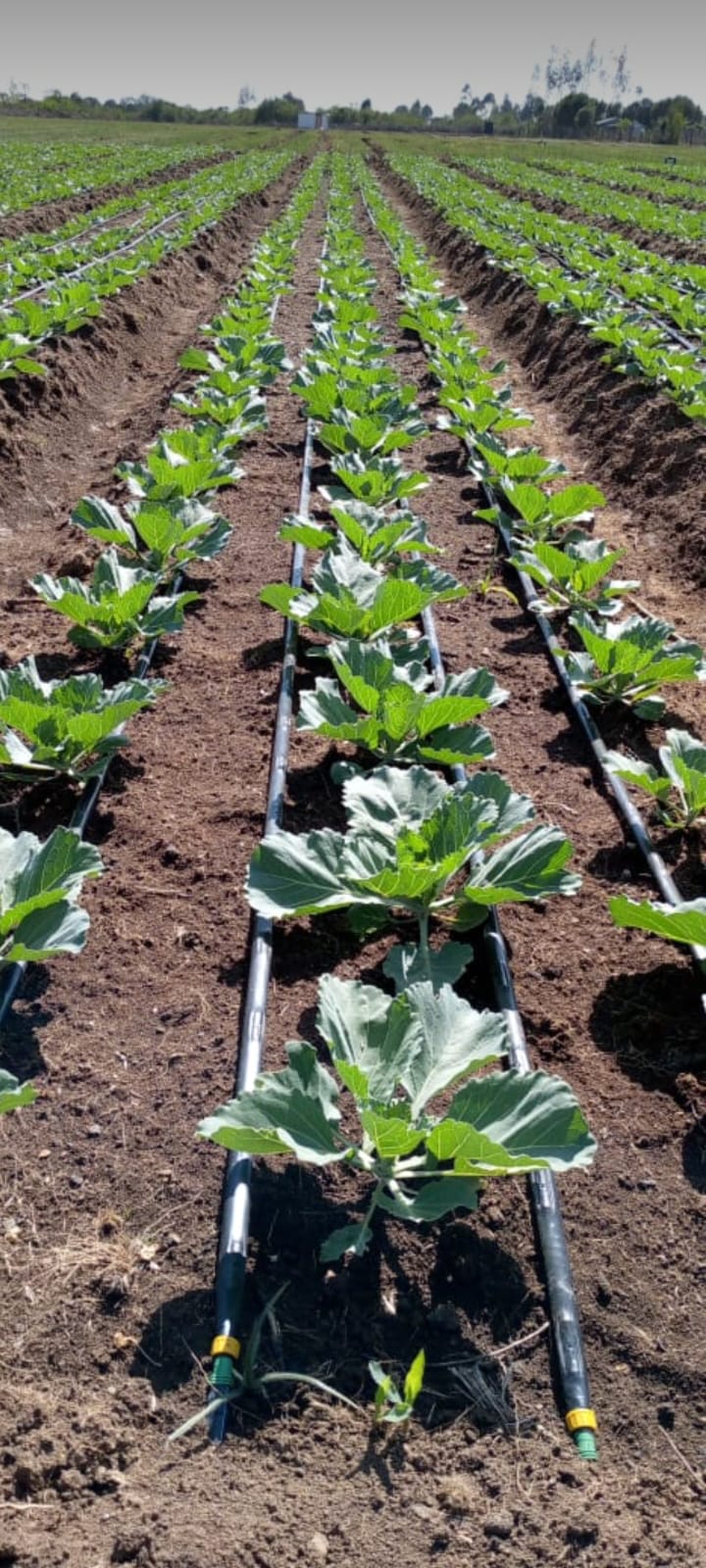
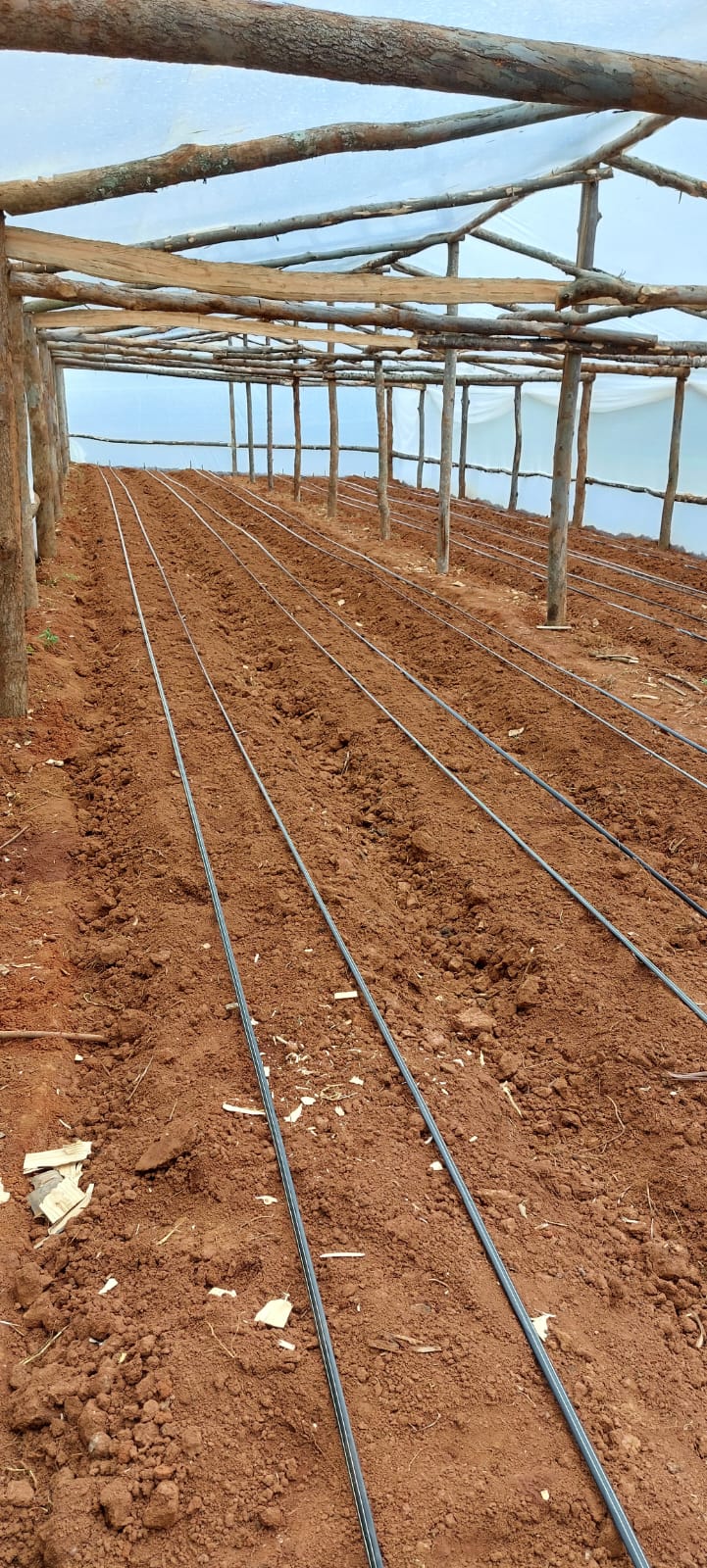
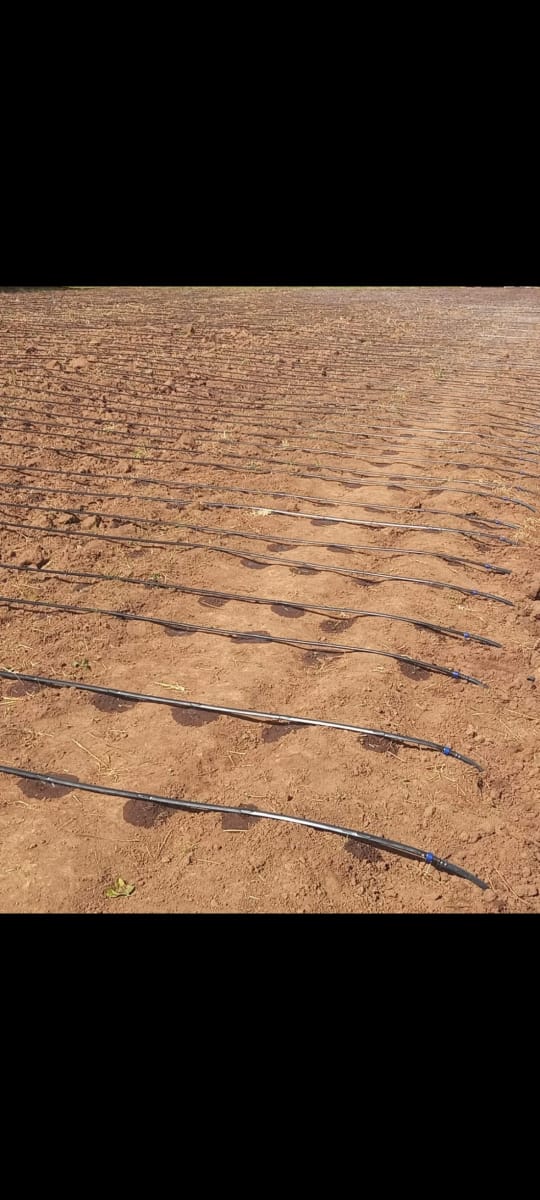
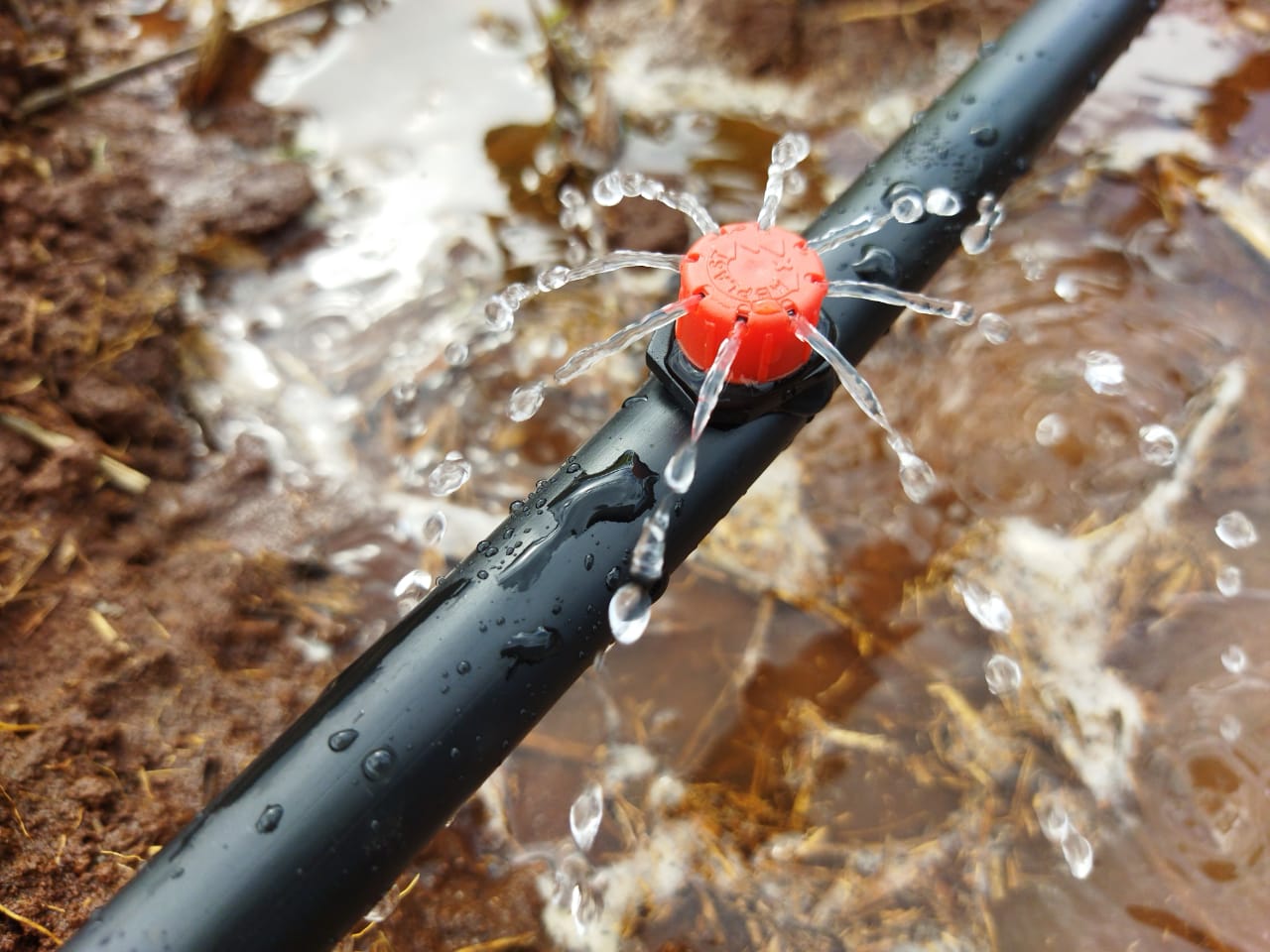
This is a type of micro-irrigation system that works on an adjustable flow of water emission that helps regulate the amount of water a plant can get according to its immediate water requirement. This is based on the fact that plants have a minimum and maximum amount of water they need for optimum growth and development.
Drip lines help to place water near the root zone of a crop to minimize evaporation and transpiration as a result of excess watering.
At Checheni, we design, supply and install drip irrigation systems that suit customer needs
Water & Irrigation
Water Pumps
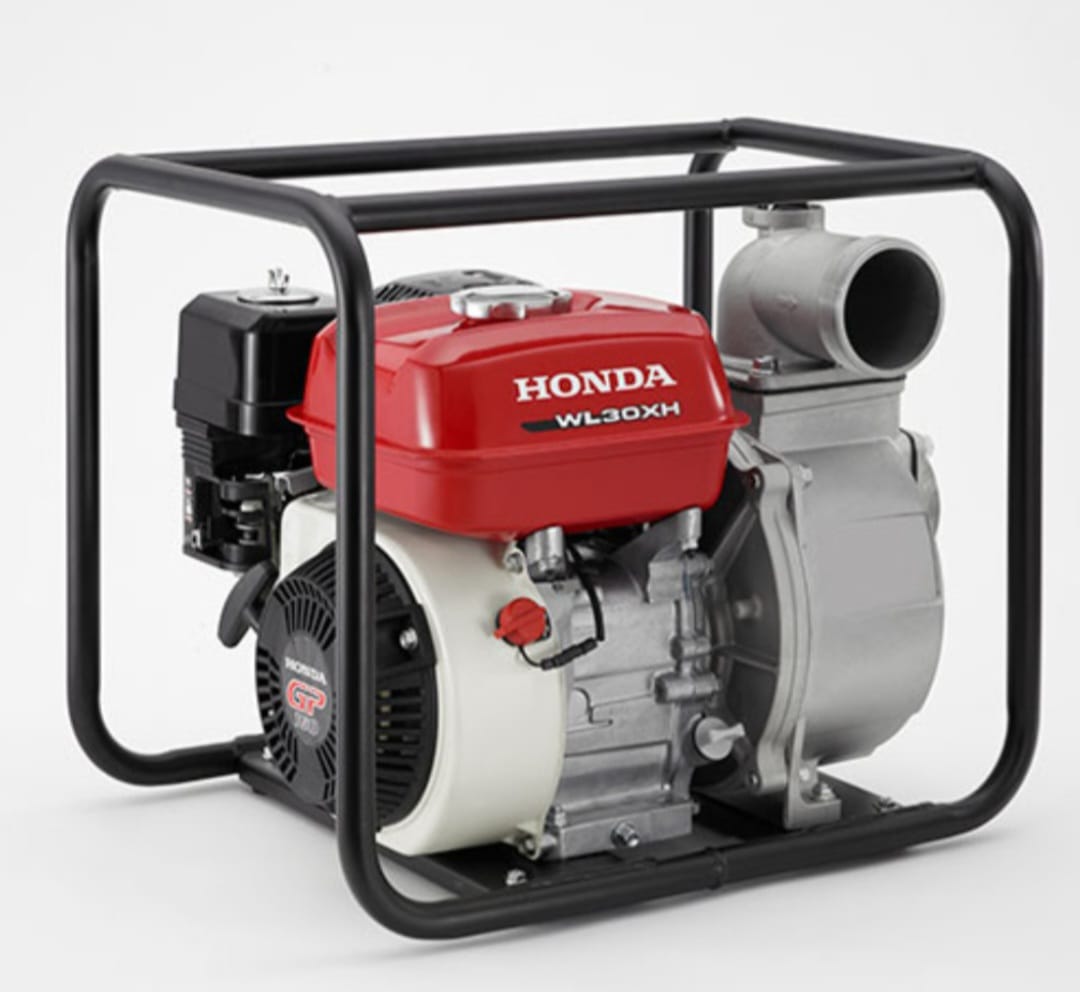
Do you need to transport water from one point to another over a long or short distance? We
supply and install surface and submersible pumps powered by electricity, diesel, petrol and solar energy.
We consider factors such as distance (suction and relay distance), the volume of water required, the source of water, type of irrigation system used among others to advise our clients on the type of water pump to use.


Water & Irrigation
Dam Liners
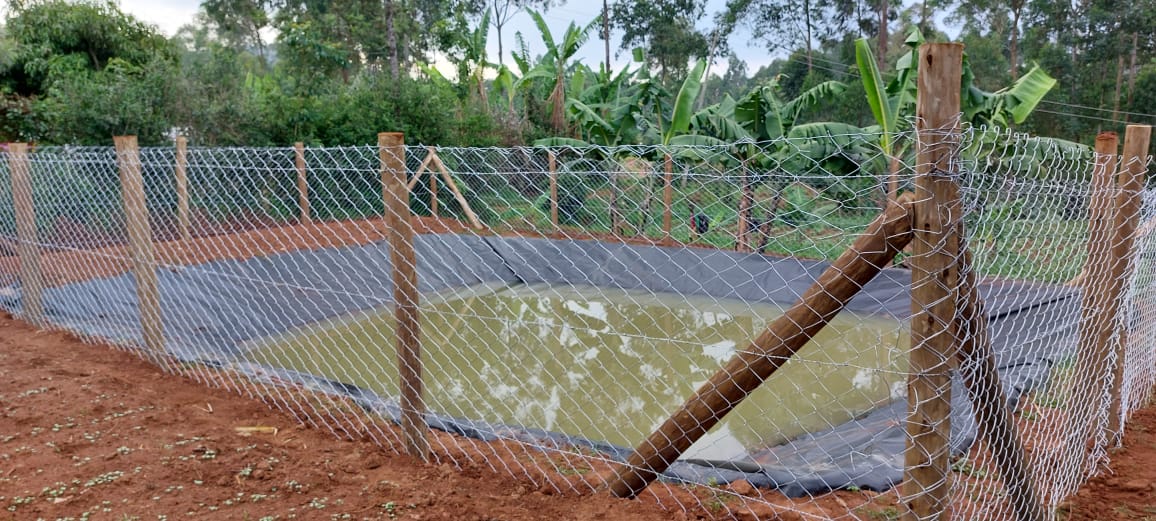
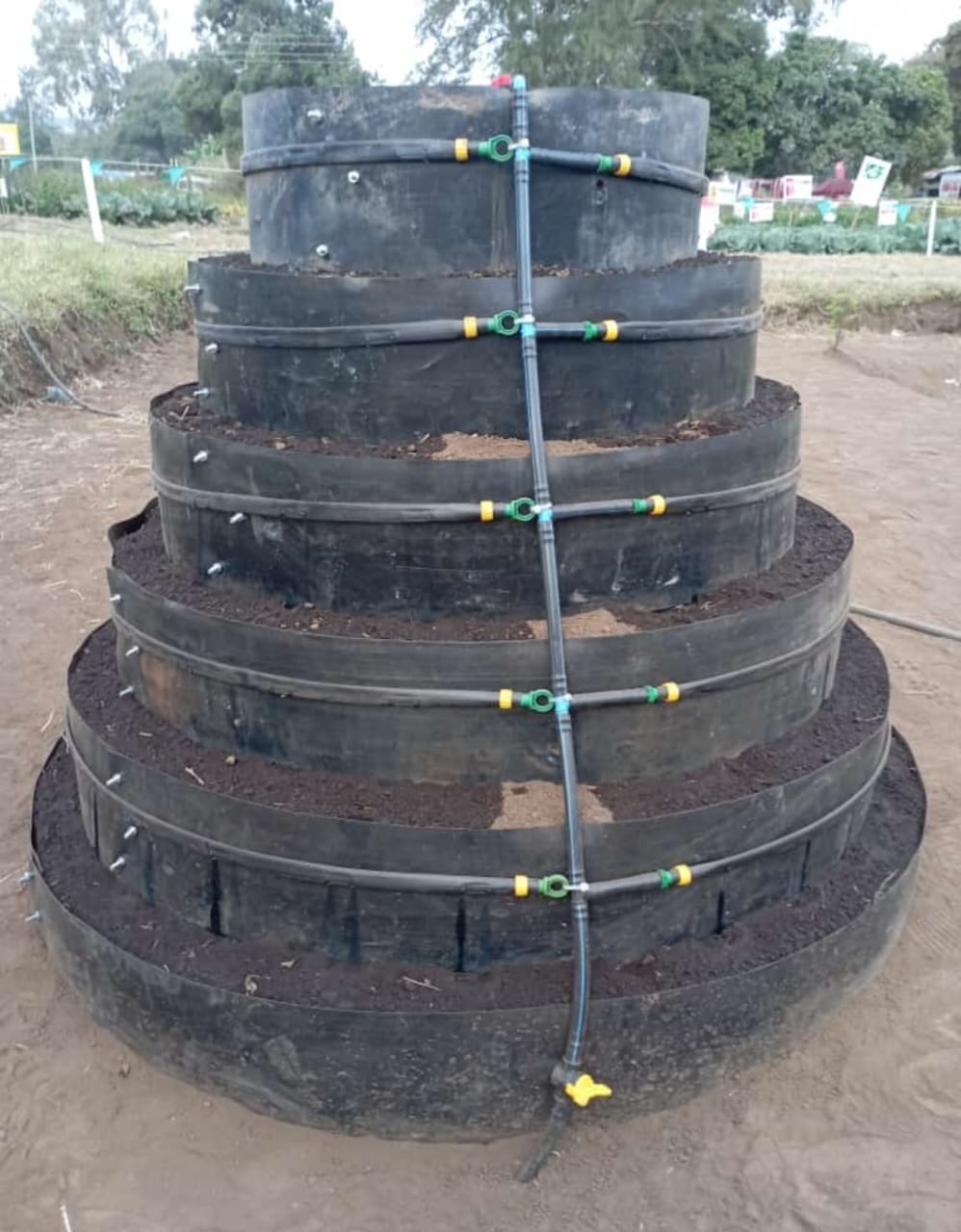
Also referred to as geo-membranes, dam liners have varied uses which include; use as water reservoirs by smallholder farmers, pond liners in fish farming, reservoirs for large water projects, conical gardens in urban and peri-urban farming, anti-seepage material in waste landfills and water management among other uses.
They are easy to install, have shorter set-up periods and are lower in cost compared to alternative materials.
The dam liners come in four major thicknesses; 0.5mm (15 years guarantee), 0.75mm (25 years guarantee), 1m (35 years guarantee), and 1.5mm (50 years guarantee). This is subject to usage. At Checheni, we supply and install custom-made, ready-to-fit dam liners depending on customer
needs.
Water & Irrigation
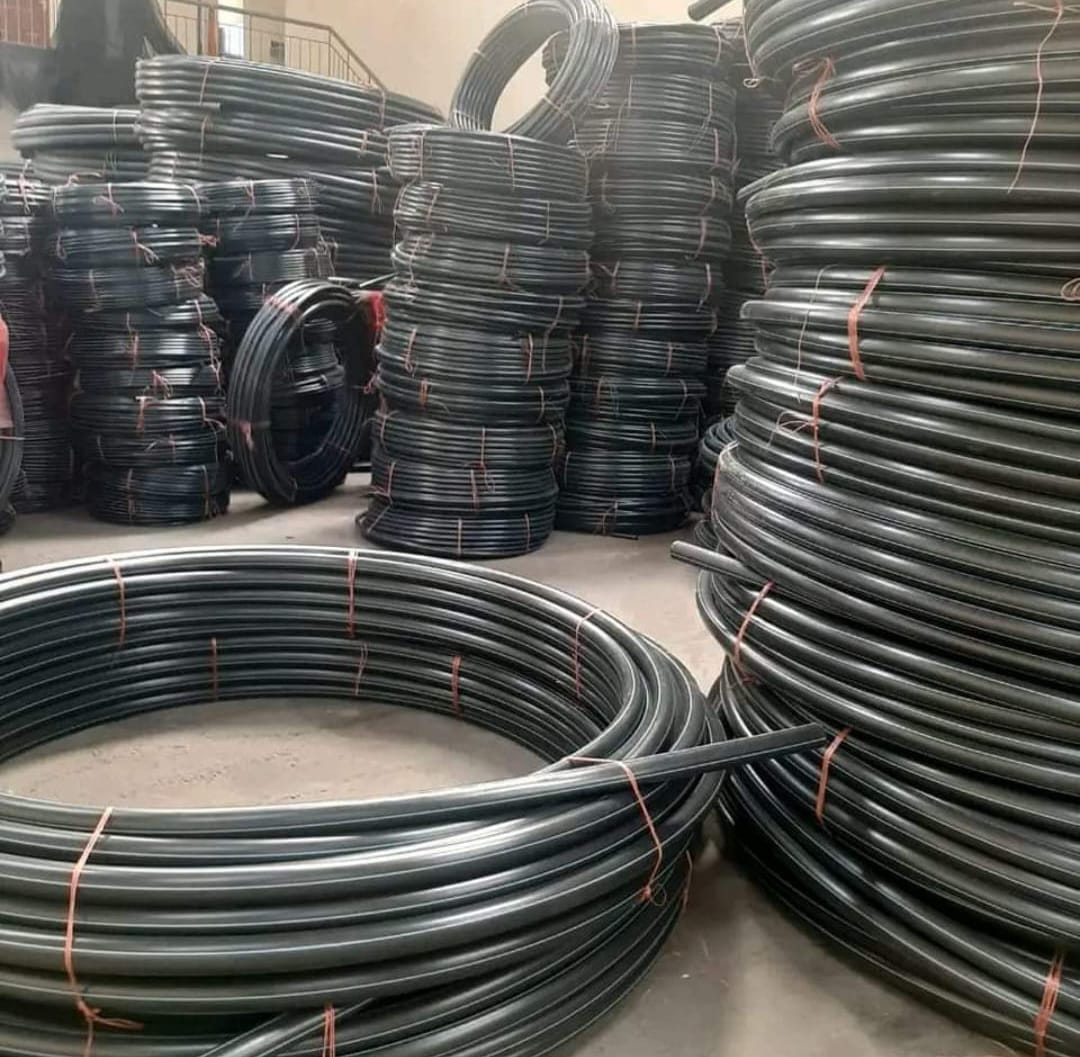
HDPE pipes & Fittings
Plants are expensive and need to be looked after. For clients who have used any of our services, we can offer ongoing advice on design, styling and planting. At Checheni, we take a cooperative approach, developing the design concept together with our clients, and tailoring the service according to their taste, needs and budget.

Water & Irrigation
Sprinklers
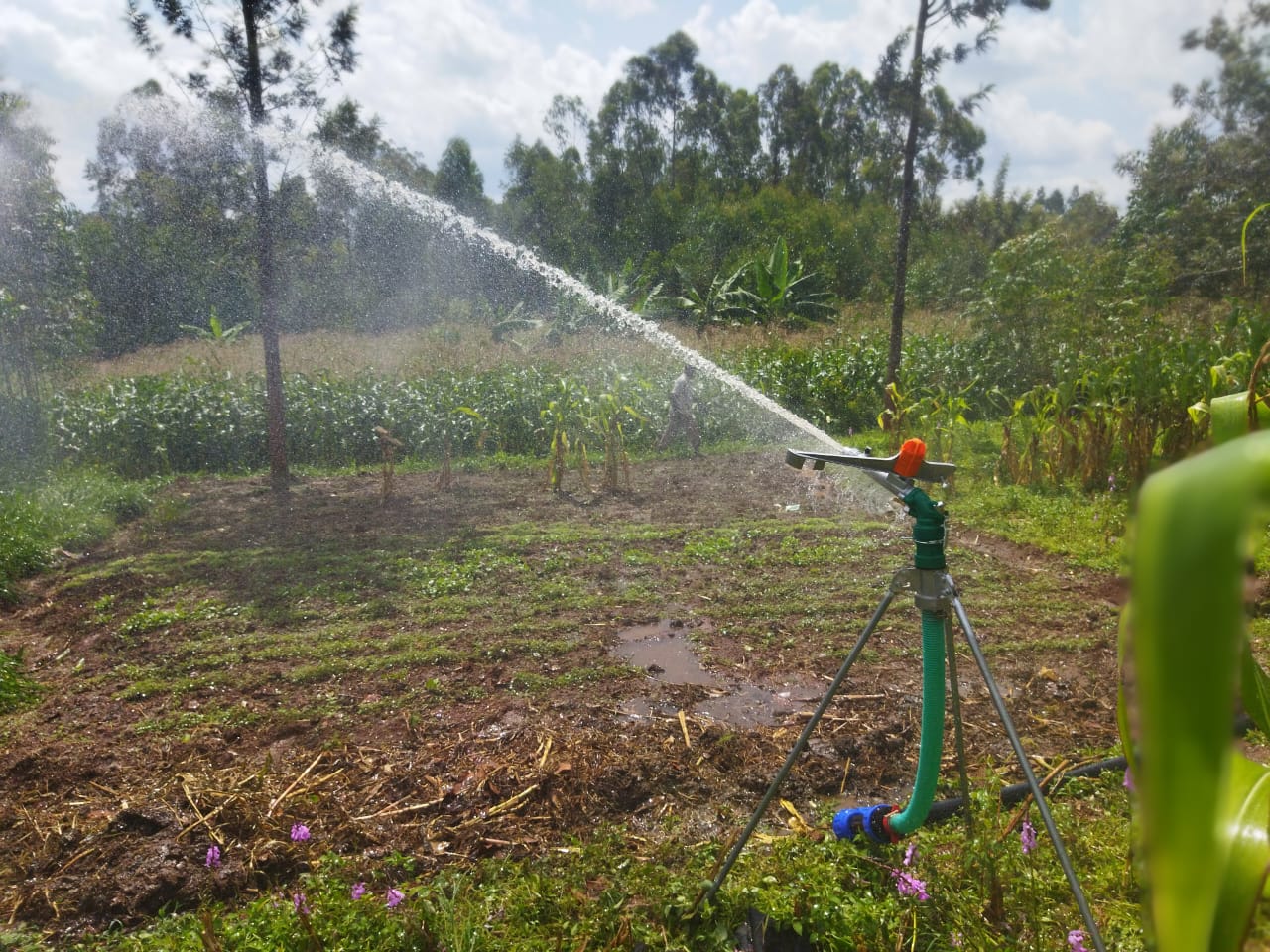
A method of controlled water application that imitates rainfall droplets. This may at high pressure, low pressure or no pressure at all depending on the type or design of sprinkler being used.
Sprinklers can be used to irrigate crops, lawns, golf courses and other areas.
They can also be used for cooling purposes in controlled environments such as greenhouses, seedling houses, mushroom production units and control of airborne dust.
They come in different sizes and shapes to serve different purposes.
Water & Irrigation
Solar Dryers
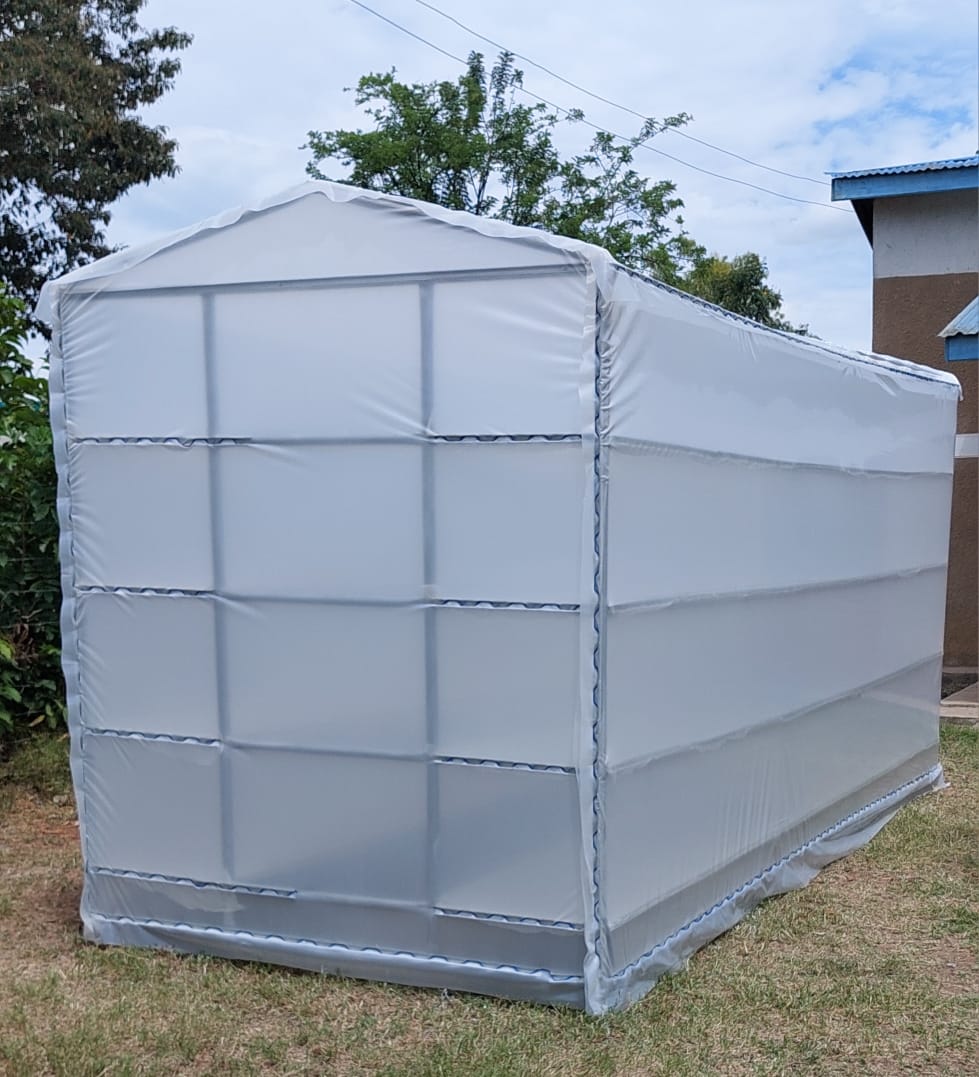
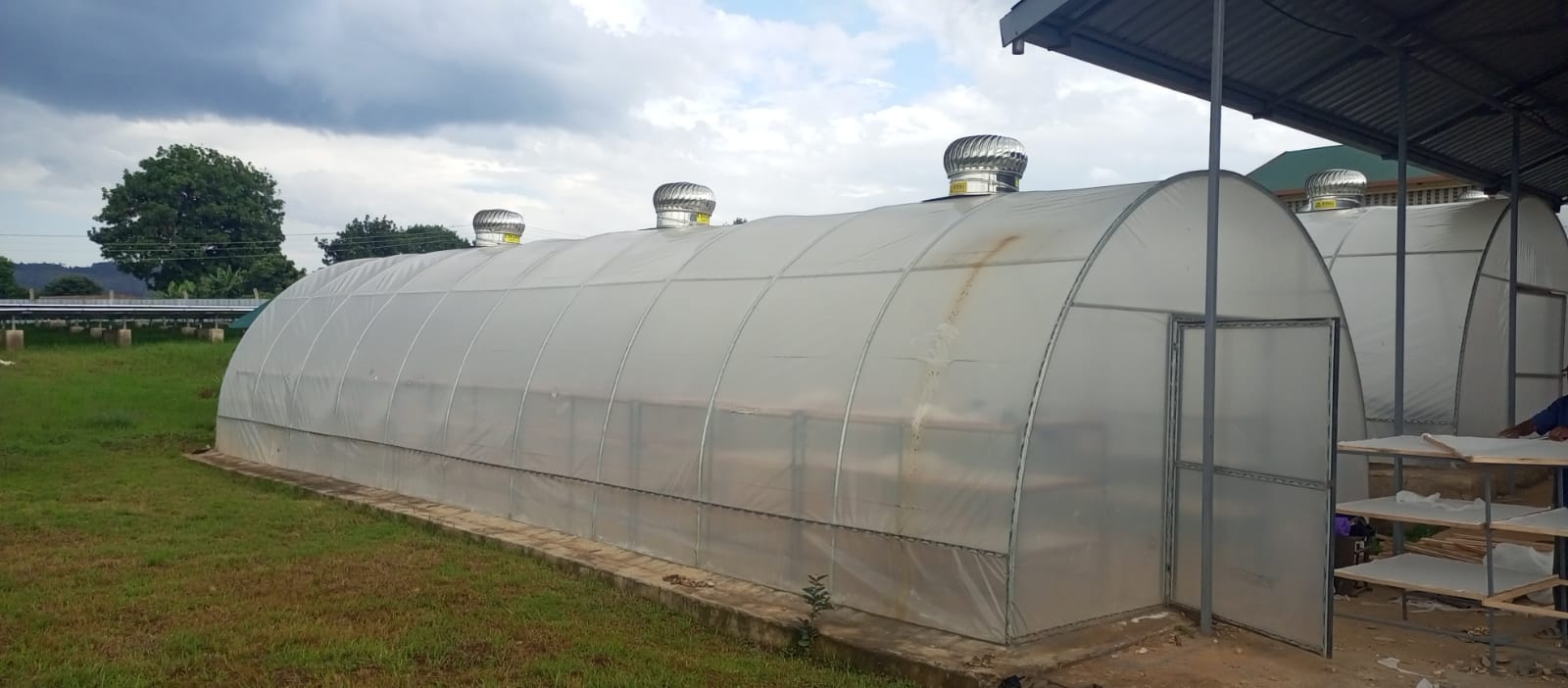
Post-harvest losses happen as a result of poor post-harvest handling of farm produce. This is in terms of spoilage, loss of quality, nutritional loss, loss of seed viability and commercial loss at large.
Solar dryers are used to reduce the moisture content in vegetables, fruits, cereals and other farm produce using solar energy which would lead to food spoilage hence post-harvest losses.
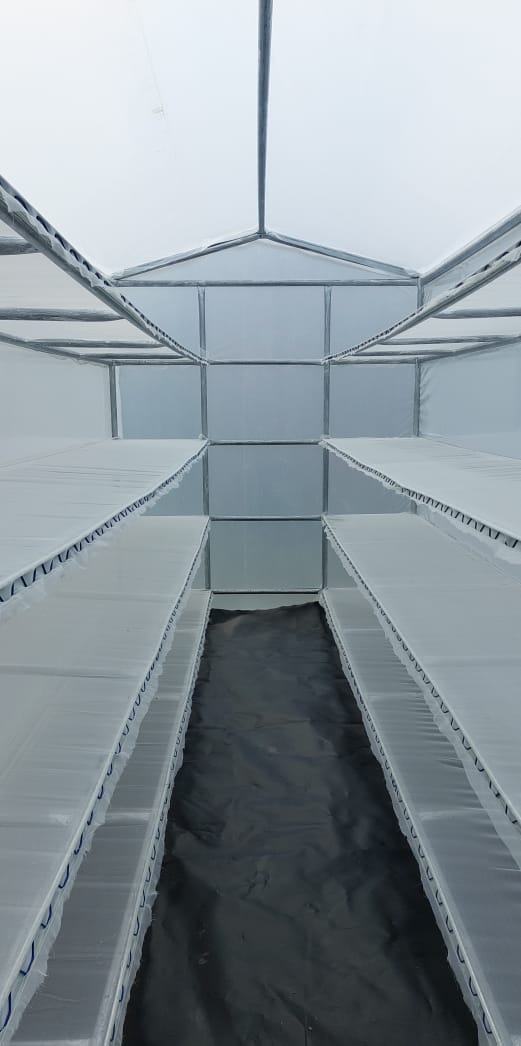
Solar dryers are made from greenhouse-grade polythene and steel or wood or both materials
depending on availability. They come in different sizes and drying capacities.
They may be natural (use only heat from the sun, dry only when the sun is shining and thus drying time is controlled by the duration of sunshine) or hybrid (use direct sunshine and have enhancements such as solar heating components or biomass heating components, cyclone roof and fans).
The material used to hold the produce on the drying shelves inside the dryer is food-grade netting.
Commonly dried products include; banana chips, sweet potato chips, chillies, cassava, fish, indigenous vegetables, ground nuts, herbs /spices among others. Drying time varies from 1 day to 7 days depending on the type of product being dried and the type of solar dryer.
Hygrometers are optional but come in handy to help monitor the external and internal temperaturenand humidity.
Water & Irrigation
Shade Nets
Human health is improved when we reduce the use and consumption of pesticides due to environmental pollution from insecticide residue.
Agricultural nets have varied uses on the farm.
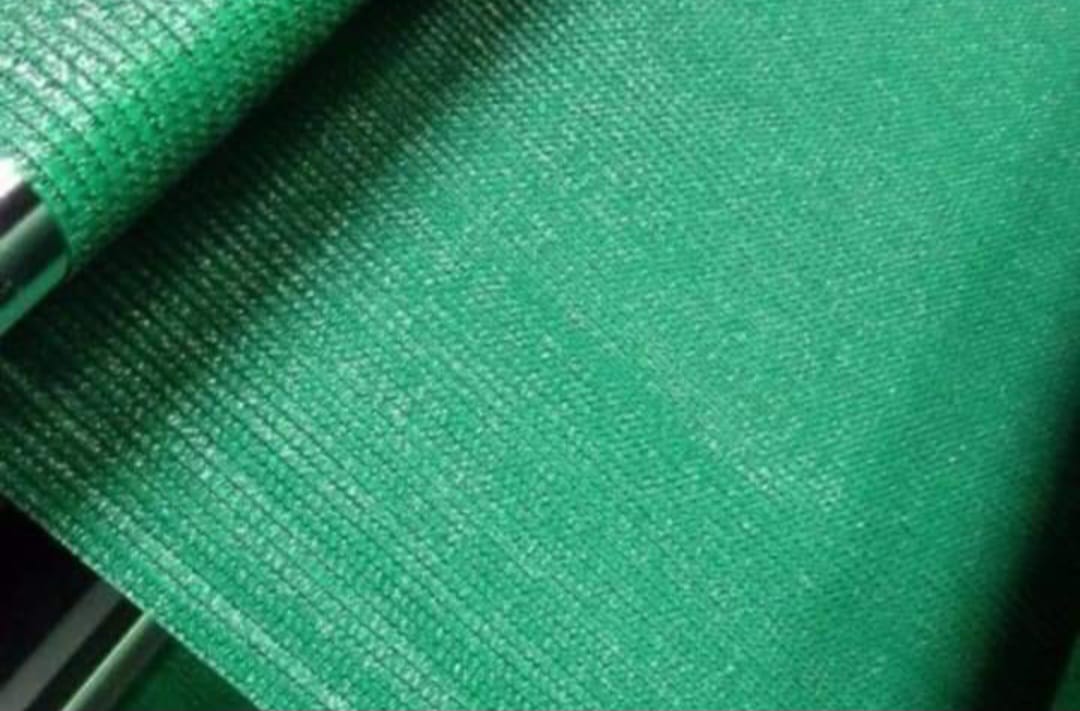
Nets are used to modify the microclimate in a greenhouse or shade house, act as a physical barrier against insect pests as well as provide shade to young seedlings from adverse weather conditions.
Shade nets come in different colours and shade percentages depending on shade requirements and the stage of growth of the crop being propagated.
Water & Irrigation
Insect Nets
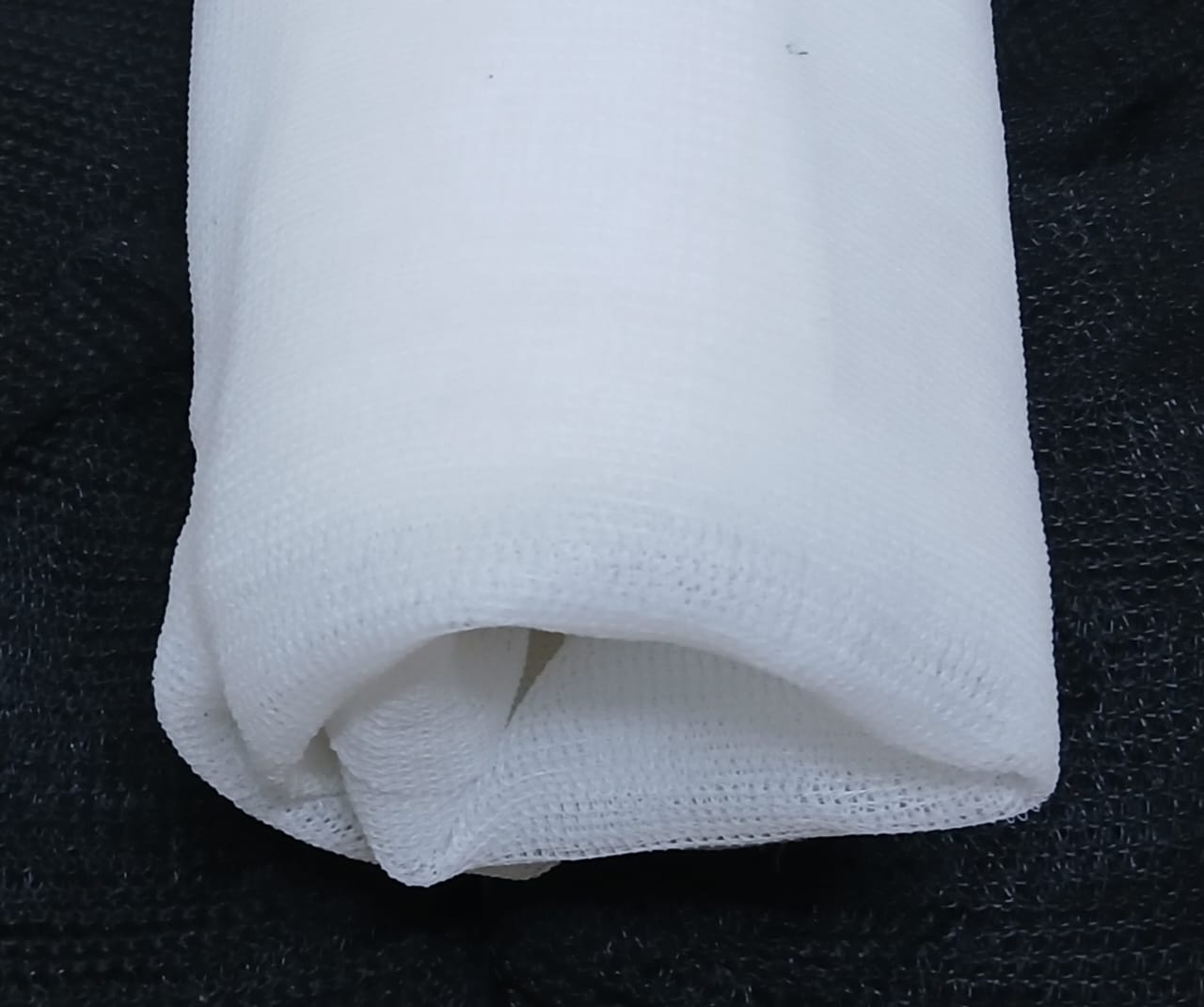
They help to increase yield and quality, effective at protecting crops against susceptible and resistant pests.
Water & Irrigation
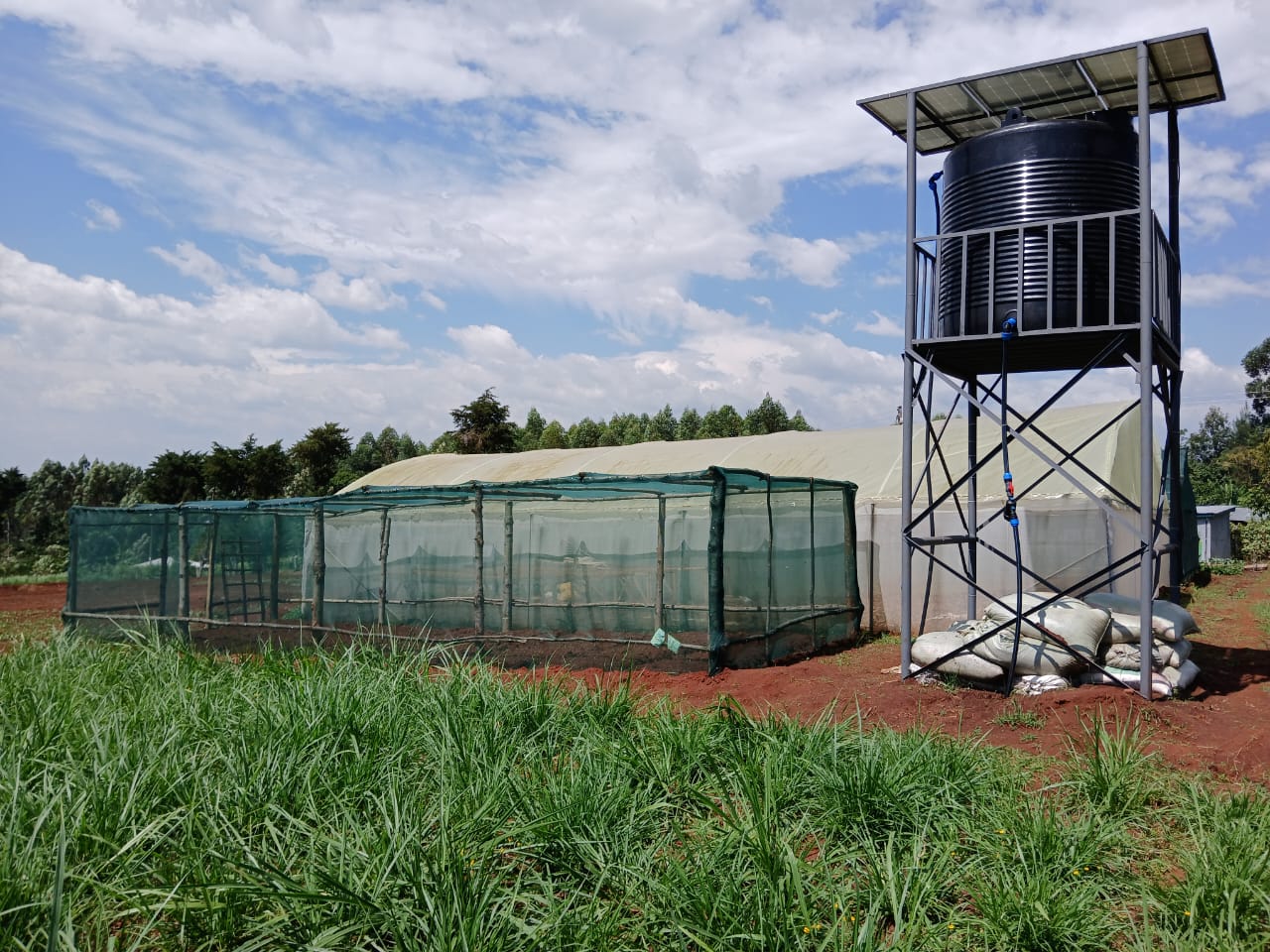
Green Houses
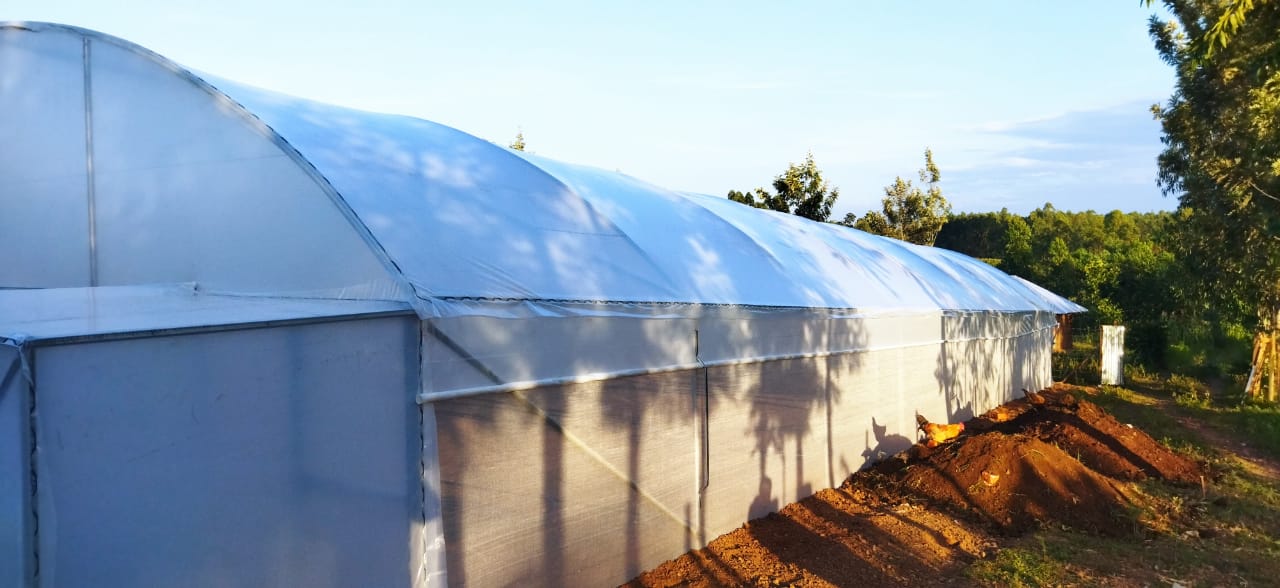
Pests, diseases, and harsh climatic conditions pose a threat to the growth and development of crops leading to poor yields.
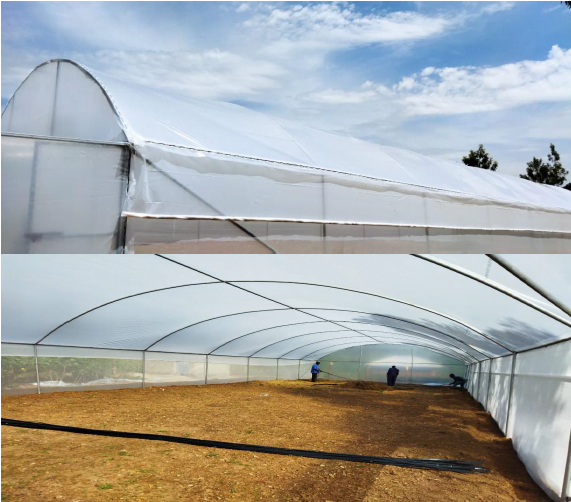
Greenhouses provide a controlled growth environment void of pests, diseases and harsh climatic conditions.
The structures could be metallic or wooden and come in different shapes and sizes
Water & Irrigation
Bird Nets
This type of net acts as a physical barrier against birds on fish ponds, fruit trees and open field crops.
Water & Irrigation
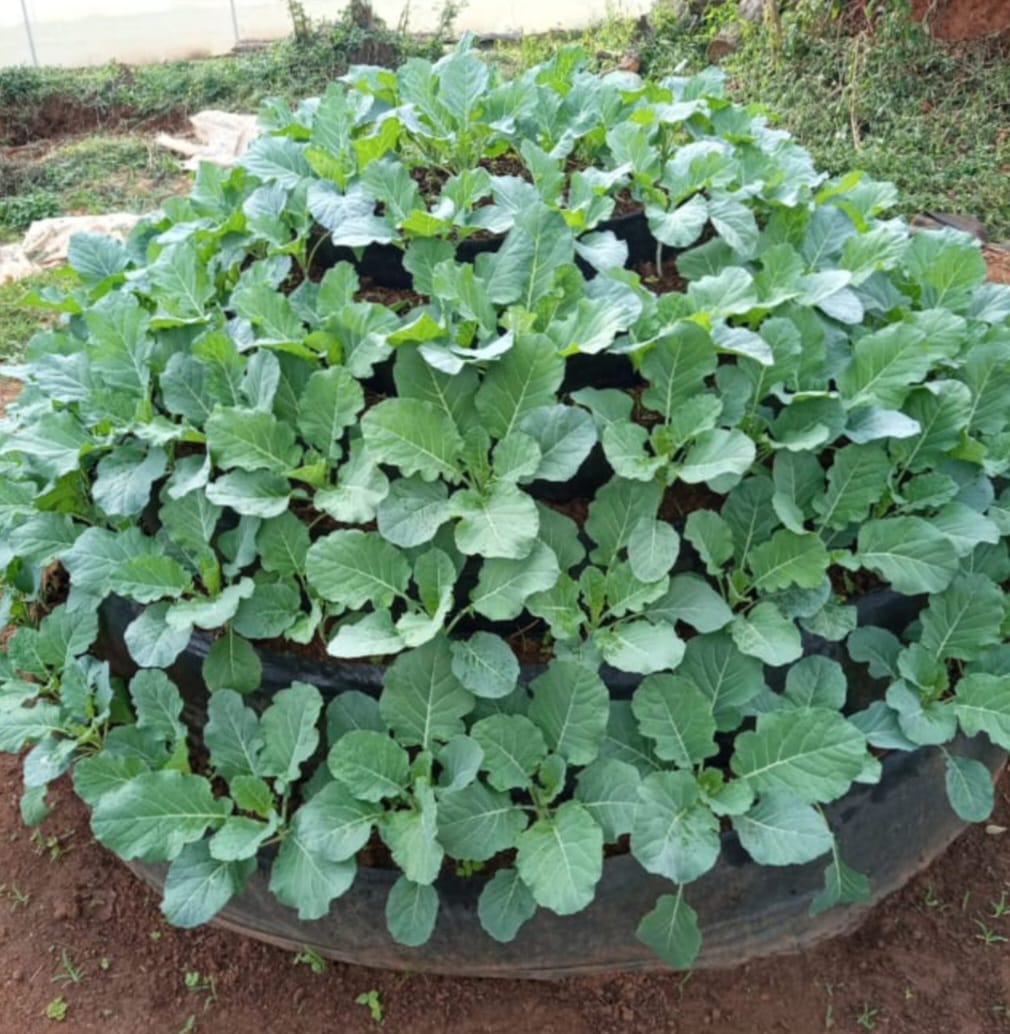
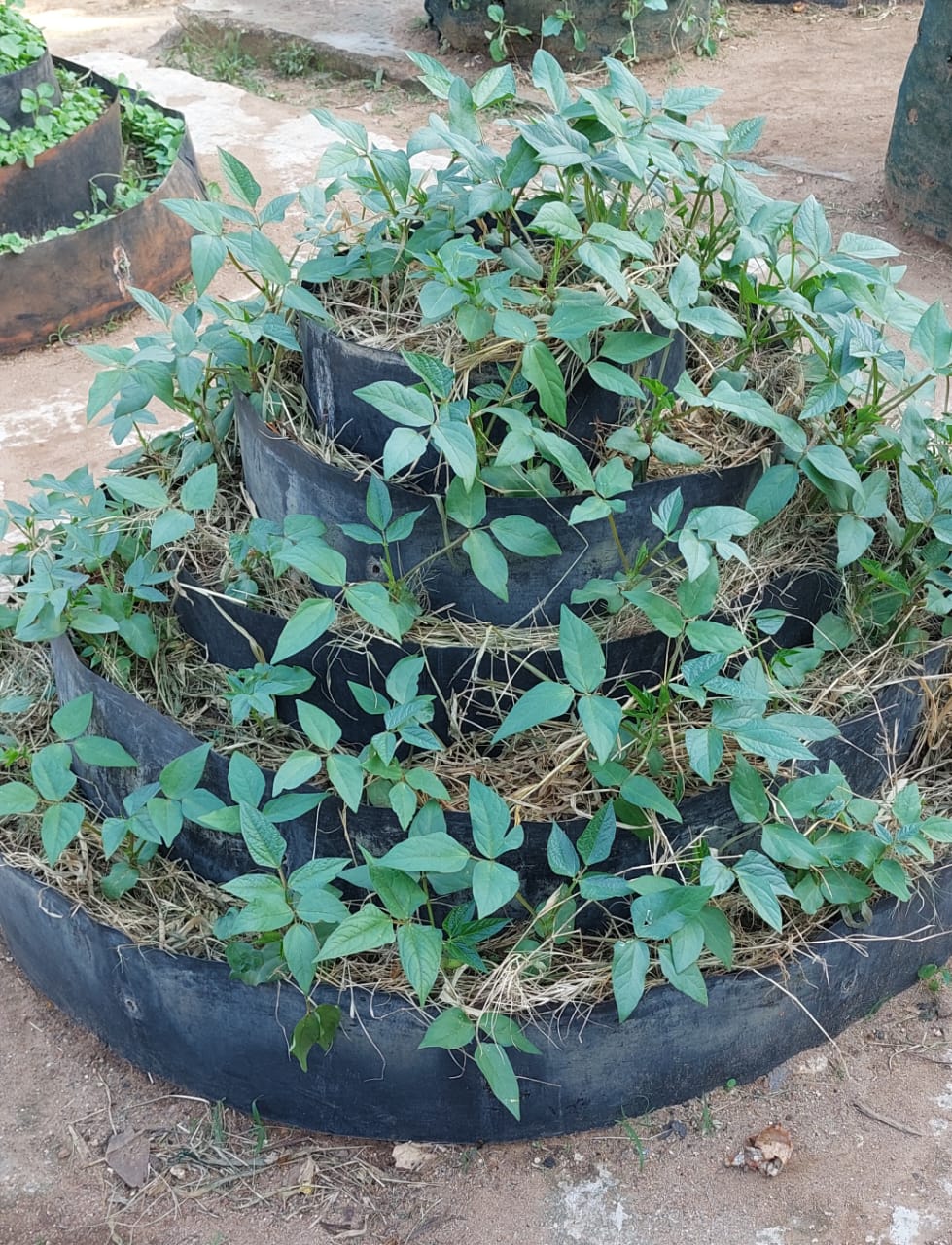
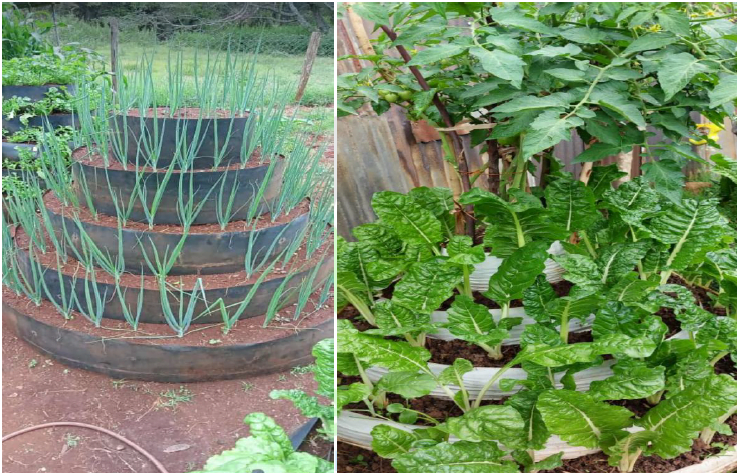
Conical Gardens
Farmland is rapidly shrinking with the expansion of residential spaces hence posing a threat to food production and safety.
Urban and peri-urban farming methods are needed to bridge the gap by ensuring maximum production in small spaces like balconies, backyards and kitchen gardens.
These gardens have been used to produce indigenous vegetables for domestic consumption and
even surplus for the market.
Our Partners